
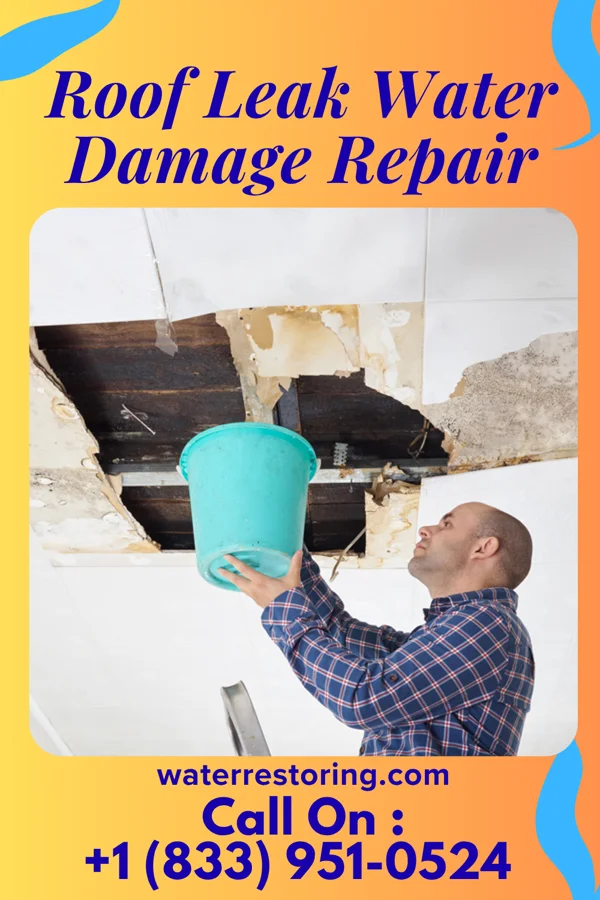
Why Roof Leak Damage Spreads in Harrisburg
Most water damage emergencies in Harrisburg start with Harrisburg, Ohio experiences frequent thunderstorms and heavy rainfall, especially during the spring and summer months. These conditions can lead to sudden roof leaks and water damage, particularly in older homes with asphalt shingle roofs. The region's unpredictable weather patterns require prompt attention to prevent further damage.. A close second is The area is also prone to high humidity and prolonged periods of rain, which can cause roof materials to degrade over time. This increases the risk of leaks during the late spring and early fall when rainfall is more consistent. Wind-driven rain can also force water under roof edges, leading to internal damage.. From the second water touches the property, every minute changes what gets saved and what gets ripped out.
Harrisburg's climate, characterized by moderate winters and warm, humid summers, creates an environment where roof leaks and water damage are common. The combination of heavy rainfall and high humidity can lead to mold growth and structural issues if leaks are not addressed promptly.
Most roof leak water damage repair calls in Harrisburg come from Harrisburg, Ohio experiences frequent thunderstorms and heavy rainfall, especially during the spring and summer months. These conditions can lead to sudden roof leaks and water damage, particularly in older homes with asphalt shingle roofs. The region's unpredictable weather patterns require prompt attention to prevent further damage.. Running a close second is The area is also prone to high humidity and prolonged periods of rain, which can cause roof materials to degrade over time. This increases the risk of leaks during the late spring and early fall when rainfall is more consistent. Wind-driven rain can also force water under roof edges, leading to internal damage.. Local mold risk: Mold can begin to grow within 48 hours of water exposure in Harrisburg, Ohio, making it crucial to address leaks as soon as they are discovered. Prolonged moisture can lead to secondary damage, including weakened structural components and compromised indoor air quality.
For public guidance on the health effects of mold after prolonged water exposure, see the EPA mold and health page.